





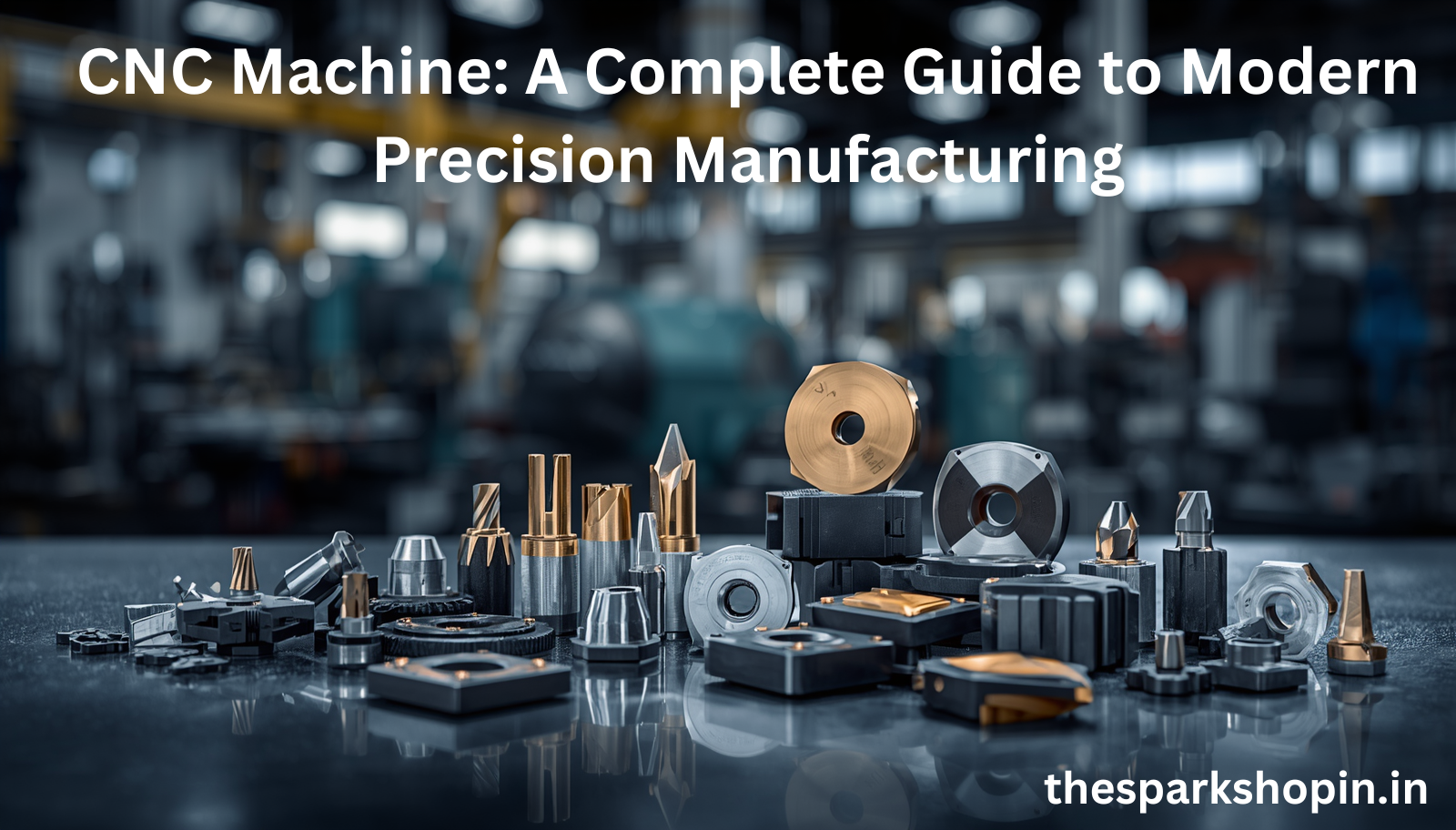
CNC machines have transformed the manufacturing industry by introducing automation, precision, and efficiency into production processes. From automotive and aerospace industries to woodworking and metal fabrication, CNC technology is now an essential part of modern manufacturing. Businesses use CNC machines to produce high-quality components with exceptional accuracy and consistency while reducing production time and material waste.
The term CNC stands for Computer Numerical Control. These machines operate through programmed software instructions that guide cutting tools and machinery with precise movements. Unlike traditional manual machining methods, CNC systems automate the manufacturing process, improving productivity and minimizing human error.
This comprehensive guide explains what CNC machines are, how they work, their types, benefits, applications, and future trends in the industry.
Summary
CNC machines are automated manufacturing systems controlled by computer programming. They are widely used for cutting, drilling, milling, engraving, and shaping materials such as metal, wood, and plastic. CNC technology improves production accuracy, efficiency, and consistency while reducing labor costs and material waste. Various types of CNC machines, including milling machines, lathes, routers, plasma cutters, and laser cutters, support industries such as automotive, aerospace, medical, electronics, and woodworking. As manufacturing continues evolving, CNC machines remain essential for precision production and industrial automation.
What Is a CNC Machine?
A CNC machine is an automated manufacturing tool controlled by computer software. The machine follows digital instructions to cut, drill, mill, shape, engrave, or fabricate materials with high precision.
CNC machines are commonly used to process materials such as:
- Metal
- Wood
- Plastic
- Foam
- Composite materials
- Acrylic
- Aluminum
- Steel
The machine receives instructions from CAD and CAM software systems that convert digital designs into machine-readable code. This allows manufacturers to create detailed and complex products efficiently.
How CNC Machines Work
CNC machines operate using programmed commands known as G-code. These instructions tell the machine how to move, where to cut, and what operations to perform.
The process generally involves the following steps:
1. Designing the Product
Engineers or designers create a digital design using CAD (Computer-Aided Design) software.
2. Converting Design Into Machine Code
CAM (Computer-Aided Manufacturing) software converts the design into G-code instructions.
3. Setting Up the Machine
Operators load the material and cutting tools into the machine.
4. Automated Machining
The CNC machine follows programmed instructions to perform precise machining operations automatically.
5. Final Inspection
Finished products are inspected to ensure they meet required specifications and quality standards.
This automated workflow helps manufacturers improve consistency and reduce manual labor.
Types of CNC Machines
Different CNC machines are designed for specific manufacturing tasks. Choosing the right machine depends on production needs and material requirements.
CNC Milling Machine
CNC milling machines use rotating cutting tools to remove material from a workpiece. These machines are widely used for shaping metal and creating detailed components.
Common Applications:
- Industrial parts
- Custom prototypes
- Mechanical components
CNC Lathe Machine
CNC lathes rotate the workpiece while cutting tools shape the material. These machines are ideal for cylindrical components.
Common Applications:
- Shafts
- Bushings
- Automotive parts
CNC Router
CNC routers are commonly used for cutting wood, plastic, and soft metals. They are popular in woodworking and signage industries.
Common Applications:
- Furniture production
- Cabinet making
- Decorative carvings
CNC Plasma Cutter
Plasma cutters use a high-temperature plasma torch to cut conductive metals quickly and accurately.
Common Applications:
- Metal fabrication
- Industrial cutting
- Automotive manufacturing
CNC Laser Cutting Machine
Laser cutting machines use focused laser beams to cut or engrave materials with high precision.
Common Applications:
- Engraving
- Sheet metal cutting
- Customized products
CNC EDM Machine
Electrical Discharge Machining (EDM) uses electrical sparks to shape hard materials.
Common Applications:
- Mold manufacturing
- Aerospace parts
- Precision engineering
Advantages of CNC Machines
CNC machines provide numerous benefits for manufacturers and industrial businesses.
High Precision and Accuracy
One of the biggest advantages of CNC machining is its exceptional precision. CNC systems can produce identical parts repeatedly with minimal variation.
This level of accuracy is especially important in industries like aerospace and medical manufacturing.
Increased Productivity
CNC machines operate continuously with minimal supervision, allowing manufacturers to produce more parts in less time.
Automation helps businesses:
- Increase production speed
- Reduce downtime
- Meet tight deadlines
Reduced Human Error
Manual machining can lead to inconsistencies and production mistakes. CNC automation minimizes human involvement, resulting in more reliable output.
Better Product Quality
Consistent machining processes improve overall product quality and reduce defects.
Improved Workplace Safety
CNC machines reduce direct interaction between operators and cutting tools, lowering the risk of workplace accidents.
Cost Efficiency
Although CNC machines require an initial investment, they can reduce long-term production costs by minimizing waste and labor expenses.
Applications of CNC Machines
CNC technology is widely used across various industries because of its versatility and precision.
Automotive Industry
Automotive manufacturers use CNC machines to produce:
- Engine components
- Transmission parts
- Brake systems
- Custom vehicle components
Precision machining is critical for vehicle performance and safety.
Aerospace Industry
Aircraft parts require extremely tight tolerances and durable materials. CNC machining supports the production of complex aerospace components.
Medical Industry
Medical manufacturers rely on CNC machines to create:
- Surgical instruments
- Implants
- Prosthetics
- Diagnostic equipment
Accuracy is essential in medical manufacturing to ensure patient safety.
Electronics Industry
CNC machines help produce:
- Circuit boards
- Electronic housings
- Precision connectors
Woodworking Industry
Woodworkers use CNC routers for:
- Furniture production
- Cabinet making
- Decorative designs
- Custom woodworking projects
Construction Industry
CNC technology is also used in construction for cutting materials and fabricating customized structural components.
CNC Machine Components
Understanding the major components of a CNC machine helps businesses evaluate machine quality and performance.
Controller Unit
The controller acts as the machine’s brain by interpreting programmed instructions.
Machine Bed
The machine bed supports the workpiece and maintains stability during machining operations.
Spindle
The spindle rotates cutting tools at various speeds depending on the machining task.
Cutting Tools
Different tools are used for drilling, cutting, milling, and engraving operations.
Drive System
Motors and drive systems control machine movement and positioning.
Feedback System
Sensors monitor positioning accuracy and help maintain precise operations.
Importance of CNC Programming
CNC programming is a critical part of automated manufacturing. Proper programming ensures accurate machining and efficient production.
Programming languages commonly used include:
- G-code
- M-code
Skilled programmers optimize machining paths to improve efficiency and reduce production time.
Choosing the Right CNC Machine
Businesses should consider several factors before investing in CNC equipment.
Material Requirements
Different machines are designed for specific materials such as wood, metal, or plastic.
Production Volume
High-volume manufacturing may require advanced automation capabilities.
Precision Needs
Industries requiring tight tolerances should choose machines with advanced accuracy features.
Budget
Businesses should evaluate both initial costs and long-term operational expenses.
Software Compatibility
Ensure the machine supports modern CAD and CAM software systems.
CNC Machine Maintenance Tips
Regular maintenance improves machine performance and extends equipment lifespan.
Keep Machines Clean
Dust and debris can affect machine accuracy and performance.
Lubricate Moving Parts
Proper lubrication reduces wear and friction.
Inspect Cutting Tools
Worn tools can reduce machining quality and increase production errors.
Monitor Software Updates
Updated software improves machine functionality and security.
Perform Routine Calibration
Calibration ensures continued machining accuracy.
Future Trends in CNC Technology
The CNC industry continues evolving with advanced automation and smart manufacturing technologies.
Artificial Intelligence Integration
AI-powered systems can optimize machining operations and predict maintenance needs.
Robotics and Automation
Robotic integration improves efficiency in high-volume manufacturing environments.
IoT Connectivity
Internet of Things technology enables real-time machine monitoring and remote diagnostics.
Sustainable Manufacturing
Modern CNC systems focus on reducing energy consumption and material waste.
Cloud-Based Manufacturing
Cloud integration allows businesses to manage production remotely and improve workflow collaboration.
Why CNC Machines Are Important for Businesses
Manufacturing businesses must balance quality, speed, and cost efficiency. CNC machines help companies achieve these goals through automation and precision.
Key business advantages include:
- Faster production
- Improved consistency
- Lower operational costs
- Enhanced product quality
- Greater scalability
As industries continue adopting digital manufacturing solutions, CNC technology remains a valuable investment for long-term growth.
Conclusion
CNC machines have revolutionized modern manufacturing by delivering automation, precision, and efficiency across multiple industries. These computer-controlled systems support high-quality production while reducing errors, waste, and operational costs.
From automotive and aerospace manufacturing to woodworking and medical production, CNC machines provide the flexibility and accuracy required in today’s competitive industrial environment.
As technology advances, CNC systems will continue evolving with artificial intelligence, robotics, and smart manufacturing integration. Businesses that invest in CNC technology can improve productivity, maintain consistent quality, and remain competitive in the future of manufacturing.
Frequently Asked Questions (FAQs)
1. What is a CNC machine?
A CNC machine is a computer-controlled manufacturing tool used for cutting, shaping, drilling, and fabricating materials with high precision.
2. What does CNC stand for?
CNC stands for Computer Numerical Control.
3. Which materials can CNC machines process?
CNC machines can process metal, wood, plastic, foam, acrylic, composites, and many other materials.
4. What are the main types of CNC machines?
Common types include CNC milling machines, lathes, routers, plasma cutters, laser cutters, and EDM machines.
5. What industries use CNC machines?
Industries such as automotive, aerospace, medical, electronics, woodworking, and construction use CNC technology.
6. What are the benefits of CNC machining?
Benefits include high precision, faster production, improved consistency, reduced waste, better safety, and lower operational costs.
7. Is CNC machining suitable for small businesses?
Yes, CNC machines are available in various sizes and configurations suitable for both small workshops and large industrial operations.
8. How does CNC programming work?
CNC programming uses G-code and CAM software to provide machine instructions for automated machining operations.
9. How important is CNC machine maintenance?
Regular maintenance is essential for machine accuracy, performance, safety, and long-term durability.
10. What is the future of CNC technology?
The future includes AI integration, robotics, IoT connectivity, cloud manufacturing, and sustainable production technologies.