




Clothing is one of the most important investments parents make for their children. Since kids are active, playful and constantly on the move, their clothes often get dirty, stained, or worn out quickly. Parents in India spend a significant amount of money on kids’ wardrobes, whether it is for casual wear, school uniforms, or festive outfits. However, with proper care and attention, children’s clothes can last longer and continue looking fresh even after multiple washes.
In this guide, we will explore the best practices for washing, drying and maintaining kids’ clothing. From fabric-specific tips to daily care hacks, these ideas will help parents keep garments soft, comfortable and durable.
Why Kids Clothing Needs Special Care
Children’s skin is delicate, so the clothes they wear must always feel soft and safe. Harsh washing methods or strong detergents can damage fabric and even irritate the skin. In addition, kids’ clothes are often more colorful and decorative, with prints, embroidery, or embellishments. Without proper care, these details fade or wear out quickly.
Moreover, since kids outgrow their clothes fast, parents often pass them down to younger siblings or relatives. This makes it even more important to maintain clothing well, so it looks almost new for longer use.
Choosing the Right Detergent
One of the first steps in caring for kids’ clothes is selecting the right detergent. Regular detergents may contain strong chemicals that are not suitable for children. For better results:
- Opt for mild, fragrance-free detergents.
- Look for options specifically designed for baby or kids’ clothes.
- Avoid bleach-based products that may weaken fabric fibers.
A gentle detergent ensures that the fabric remains soft and safe, while also helping colors stay bright.
Washing Instructions for Different Fabrics
Not all fabrics are the same and each requires a slightly different approach. Parents should always check the care label on kids’ clothing before washing.
Cotton Clothes
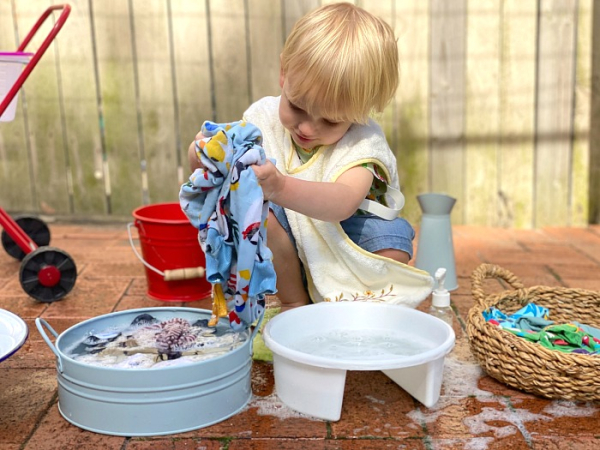
Cotton is the most common fabric for kids’ wear because of its softness and breathability. Use cold or lukewarm water to wash cotton clothes, as hot water can cause shrinking. For stubborn stains, pre-soaking in mild detergent before washing works well.
Wool and Winter Wear
Woolens and sweaters require extra care. Hand washing with mild liquid detergent is preferable. If using a washing machine, select the gentle cycle and avoid wringing. Always dry woolens flat on a clean towel to maintain their shape.
Denim and Jeans
Jeans should not be washed too often, as frequent washing causes fading. When necessary, turn them inside out before washing to preserve color. Air drying is recommended over machine drying.
Silk and Festive Wear
Silk dresses or embroidered ethnic outfits need special handling. Dry cleaning is the safest method, but if hand washing is necessary, use cold water and a gentle detergent. Avoid direct sunlight while drying.
Handling Stains Effectively
Stains are unavoidable when it comes to kids’ clothing. Whether it is food spills, mud, or ink, parents need quick solutions.
- Treat stains as soon as possible for best results.
- Gently blot the area instead of rubbing it, to avoid spreading.
- For food or drink stains, soak in cold water before washing.
- For ink marks, rubbing alcohol on the fabric can be effective.
- For oily stains, sprinkle baking soda before washing to absorb excess oil.
By addressing stains early, parents can prevent permanent damage to fabrics.
Drying Clothes the Right Way
Drying is just as important as washing when it comes to clothing care. The way clothes are dried affects both their appearance and lifespan.
- Always air dry clothes whenever possible, as sunlight acts as a natural disinfectant.
- Avoid direct harsh sunlight for bright-colored clothes, as it may cause fading.
- For heavy fabrics like denim, ensure they are fully dry to prevent odor or mold.
- Use hangers for shirts and dresses to avoid wrinkles.
Proper drying techniques not only save time but also protect fabric quality.
Ironing and Storage Tips
Once clothes are washed and dried, the next step is ironing and storing them correctly.
- Always check fabric labels to know the suitable ironing temperature.
- For delicate fabrics, place a thin cloth over the garment while ironing.
- Avoid ironing directly over prints, sequins, or embroidery.
- Store clothes in a clean, dry wardrobe to prevent moisture damage.
- Use moth repellents for woolens during storage.
A little attention to ironing and storage goes a long way in keeping kids’ clothing in good shape.
Seasonal Clothing Care
In India, changing weather means kids’ wardrobes must adapt to different seasons. Each season requires specific care practices.
Summer Clothing
Summer clothes are usually cotton-based, which makes them easy to maintain. Wash regularly in mild detergent and store them in breathable fabric bags. Avoid synthetic fabrics in hot weather, as they trap heat.
Winter Clothing
Woolens, jackets and sweaters need careful washing and long-term storage. Always wash before packing away at the end of the season. Store in airtight containers with natural moth repellents like neem leaves or lavender sachets.
Rainy Season Clothing
The monsoon season brings challenges like dampness and fungal growth. Ensure clothes are completely dry before storage. Use indoor drying racks when the weather is humid.
Extending the Life of Kids’ Clothing
Parents often find themselves replacing kids’ clothes too soon. With simple care habits, clothing life can be extended.
- Teach kids to avoid rough play in delicate outfits.
- Encourage them to use napkins or aprons while eating.
- Rotate outfits regularly to avoid overuse of one garment.
- Repair small damages like loose buttons or tiny tears immediately.
Such small steps ensure that clothes remain wearable and presentable for longer periods.
Sustainable Clothing Practices
As awareness about sustainability grows, many Indian parents are also turning towards eco-friendly clothing care. Instead of discarding old clothes, families can donate, recycle, or repurpose them. Hand-me-downs for siblings or relatives are a great way to make use of clothes that are still in good condition.
Parents are also exploring organic fabrics and brands that focus on chemical-free production. These not only last longer but are also safer for children.
Online Shopping and Clothing Care
With the rise of e-commerce, buying kids’ clothing has become more convenient. Parents now get access to a variety of brands, styles and price ranges. Many online stores also provide detailed fabric care instructions, which help in maintaining clothes effectively. Seasonal discounts and deals like the spark shop – online shopping big discount allow parents to invest in quality clothing without overspending.
However, parents should always read product descriptions carefully and follow care instructions provided by sellers to keep garments in good condition.
Final Thoughts
Kids’ clothing care is not just about washing clothes; it is about adopting smart habits that preserve fabric quality and extend their lifespan. Choosing the right detergent, handling stains properly and using correct washing and drying methods all play a vital role. By understanding the needs of different fabrics and following seasonal care routines, parents can save money, reduce waste and ensure their children always have clean, comfortable and well-maintained clothes.
In the fast-paced lives of Indian families, small changes in clothing care routines can make a big difference. Whether parents buy clothes from local stores or online platforms, maintaining them with care ensures that every outfit serves its purpose well and stays fresh for years.
READ MORE:
Complete Guide to Thesparkshop.in
Budget-Friendly Kids Clothing Hacks Every Parent Should Know
Kids Clothing Care Guide: Washing & Maintaining Clothes for Longer Life
 Harshoo Pandey