




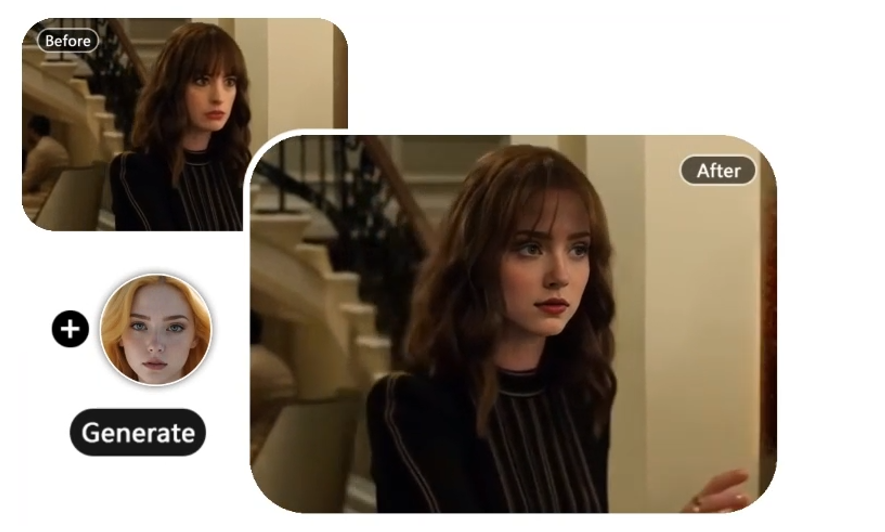
Suddenly, artificial intelligence began shifting how folks handle digital work. Tools once thought impossible now pop up everywhere, altering routines quietly. Instead of old methods, many turn to new tricks powered by data patterns. One standout? Swapping faces in photos or clips using smart software. Creators across fields – ads, films, online posts – grab onto this fast. It fits naturally into their flow. Behind the scenes, math models trained on countless examples do the heavy lifting. Expressions stay true, shadows match, motion feels right. Realism sticks even after replacing a face entirely. Light adjusts. Tiny muscle shifts come through clearly. This isn’t magic – it’s design meeting computation head-on
One moment you’re watching a regular video – the next, faces shift like cards shuffled mid-deck. Tools powered by artificial intelligence now let people swap facial features without studio gear or editing skills. Imagine teaching history where figures from the past speak using your students’ expressions – suddenly lessons feel closer. Marketers tap into this too, crafting messages that twist identity just enough to catch eyes. Even casual creators on social apps find fresh angles when swapping appearances between clips. What used to take hours in post-production happens nearly instantly today. The tech isn’t magic – it’s math shaped like imagination.
Picture a tool that swaps faces in videos using smart software. This piece digs into how it operates behind the scenes. One moment you see a face, next it’s someone else – seamlessly changed. Uses pop up everywhere from entertainment to education. Some hurdles stick around though, like accuracy or consent issues. The path ahead holds shifts nobody saw coming. What feels futuristic today might be ordinary tomorrow.
AI Face Swap Explained Simply?
Picture this: swapping faces using smart software that learns patterns like a human brain might. Machines now pinpoint eyes, nose, mouth – then slip in someone else’s look without slow hand-editing steps. What once took hours gets done fast, almost like flipping a switch but quieter. Expressions stay natural because the system studies how faces move, not just how they sit still. Realism comes from practice, lots of data, and careful adjustments hidden beneath the surface.
Starting off, today’s face-swapping tools run on smart systems trained to study faces closely – spots, wrinkles, shadows included. These programs learn through repeated pattern spotting across thousands of images. Because they understand how light hits cheeks or brows shift when smiling, changes look natural afterward. Someone using one just uploads photos; the rest happens behind curtains automatically. Skills like photo retouching aren’t needed since calculations handle alignment and blending. Results come out smooth because details match real human traits almost every time.
Now anyone can swap faces online. More people are using artificial intelligence every day, whether posting jokes on social networks or building movie scenes in big productions. Simple software lets hobbyists play around, while studios refine shots with similar tricks. What once took experts now happens at home. Tools that were rare a few years ago sit inside common apps today.
AI face swap technology explained simply?
Behind every face swap, hidden gears turn – AI pieces fitting quietly into place. From the outside it looks effortless; yet deep within, math stretches across layers of decision. One model passes clues to another, each step nudging pixels closer to believability. What seems like magic runs on patterns learned from countless unseen examples. Smooth outcomes come not by chance but through quiet coordination among smart systems built to observe, adapt, learn.
1. Facial Detection
Starting off, the AI spots every face within a picture or moving clip. With help from visual scanning tools, key points on each face get mapped out – like where eyes sit or how wide the mouth stretches
- Eyes
- Nose
- Mouth
- Jawline
- Eyebrows
- Facial contours
Buildings and trees give clues so the machine sees how a face fits together.
2. Feature Extraction
After spotting a face, details begin to emerge – unique traits like shape and spacing stand out. Features such as eyes, nose, and jawline slowly separate from the rest. From there, measurements form quietly behind the scenes. These distinct markers get translated into digital signals almost instantly. What remains is a set of data shaped by contours and angles alone
- Skin tone
- Facial expressions
- Lighting conditions
- Texture patterns
- Facial proportions
Because of these details, the new face fits smoothly into the scene it enters. A natural look happens when lighting and angles match closely. Without correct alignment, something feels off even if you cannot name why. Matching skin tones helps the change stay unnoticed. Shadows must travel the same way across both faces. When colors shift wrong, eyes catch the mistake fast. The result works only if every small part agrees.
3. Face Mapping
Starting with the source face, it gets transferred to the target using motion details like smiles or frowns. Instead of copying flat images, muscle shifts are studied by smart algorithms that learn from tons of examples. These patterns help keep the result looking natural, almost like watching someone in real life.
4. Rendering and Enhancement
Out of nowhere, the software builds a fresh facial structure. Then come tweaks – subtle shifts guided by smart math – to sharpen what’s there
- Image quality
- Color correction
- Shadow matching
- Texture blending
- Motion consistency
A single flicker of code paints someone else’s features onto familiar skin. This shift feels almost too natural, like memory overriding truth. Each pixel settles into place without asking permission. What emerges wears realism like a second shadow.
What Is Video Face Swap?
Years went by before faces in pictures could switch places. Now video does it too, thanks to smarter machines behind the scenes.
Starting off differently each time – faces change across full videos without breaking flow. Through seamless adjustments, one face trades places with another smoothly frame by frame. As movement continues, expressions stay natural looking. With consistent lighting shifts follow along properly. Even during quick turns or tilts, alignment holds steady. By matching skin tones carefully, results avoid obvious flaws. Under changing backgrounds, edges blend just enough
- Facial expressions
- Lip synchronization
- Head movements
- Eye movements
- Lighting consistency
- Natural emotions
Picture tweaking a single photo, but now imagine doing it nonstop across countless moving scenes. Instead of adjusting one pose, the system tracks every blink, smile, shift in light. It stitches changes so they flow like natural movement, never jarring or stiff. Smoothness matters just as much as accuracy when faces move through time.
Now anyone making videos can work faster without spending much. Creators find it useful because tasks take less time. Businesses see a chance to cut costs while keeping quality high. People in entertainment notice simpler ways to build content quickly.
AI Face Swap Technology Advantages
Now showing up everywhere, AI Face Swap tech sticks around since it brings real benefits to many fields. People keep using it simply because different areas find practical uses again and again.
Fast Content Creation
Out of nowhere, a fresh approach cuts through old methods that drag on for hours. In just minutes, artificial intelligence reshapes faces with startling realism – suddenly, long waits feel outdated.
Cost Efficiency
Most folks pay big money for slick video edits and fancy graphics. Yet now, swapping faces in videos lets people make sharp footage all on their own – no crew needed. What once took a studio can happen at home. Tools have changed how work gets done behind the scenes. Some tasks that demanded experts are simpler today. Clever software fills gaps where budgets fall short.
Accessibility
Anyone can try these tools, no matter their experience. Starting out? The process works without needing deep tech skills. A smooth result shows up fast, even on first attempts.
Enhanced Creativity
Out of nowhere, swapped faces pop up in videos thanks to tools that let makers play with looks once too tough to pull off. Characters twist into something new when digital tricks open doors that stayed shut before. Instead of waiting for rare skills, people now test ideas using smart software hiding beneath simple clicks. Visual tales stretch further because what seemed like sci-fi last year runs quietly on a laptop today.
Increased Engagement
Funny swaps on social posts grab more attention – people just can’t look away. A different face pops up, curiosity spikes. Looks odd? Sure. But eyes stick anyway. Playful visuals pull people in faster than plain ones. Surprise lives in those swapped features. Clicks follow where fun leads.
AI Face Swap Uses
Beyond fun stuff, face-changing tech shows up in surprising places. Where you might expect just games, it quietly handles serious tasks too. Not limited to videos alone, its reach spreads into fields people overlook. Instead of only laughs, it brings real shifts across industries. Though seen as playful, its uses dig deeper than most assume.
Social Media Content Creation
Face swap videos using AI
- Comedy videos
- Celebrity transformations
- Character impersonations
- Viral content
- Creative storytelling clips
Most people scroll past them, yet some still manage to grab a huge audience overnight.
Film and Entertainment Industry
Movie Studios Use Face Swap Tech
- Visual effects production
- Actor de-aging
- Character replacement
- Historical recreations
- Special effects scenes
Films look just as sharp when machines handle parts of the work. Costs drop because fewer people are needed on certain tasks.
Marketing and Advertising
Brands Use AI Face Swap Tools More Often
- Personalized advertisements
- Interactive campaigns
- Influencer collaborations
- Product promotions
- Customer engagement experiences
A single message shaped just for you tends to get more responses. When it fits like a glove, people are likelier to act.
Education and Training
Educational Institutions Use AI Face Swap for Training
- Interactive learning experiences
- Historical simulations
- Language training videos
- Corporate training programs
- Educational entertainment
By focusing on how people actually learn, attention stays sharper. Retaining what is taught becomes more natural when structure follows understanding.
Gaming Industry
AI face swap used by game developers
- Create personalized avatars
- Develop realistic characters
- Enhance player experiences
- Produce cinematic cutscenes
- Build immersive environments
Face Swapping with AI for Creators
Picture this: swapping faces with AI could save time while sparking fresh ideas. Not just faster work – new ways to think pop up too. Imagine one tool doing double duty, quietly boosting both speed and imagination. Suddenly, making content feels less like labor, more like play. A different path opens where effort shrinks but boldness grows. This shift? It reshapes how digital artists approach their craft every single day.
Creators can use face-swapping tools to:
- Produce multiple video variations quickly
- Create engaging social media content
- Build fresh ways to tell stories
- Experiment with creative concepts
- Save editing time and resources
When more people fight for attention online, those using smart software tend to make stuff faster than others. A machine helper lets them move ahead quietly while rest struggle to keep up.
Problems with Swapping Faces in Videos
Even so, using video face swap free comes with a set of hurdles. Though helpful in some ways, it brings along complications. Problems arise just as often as advantages show up. Each benefit seems matched by some kind of difficulty. Where gains exist, issues follow close behind. Not every upside arrives without a drawback tagging along.
Processing Requirements
Running sharp face swaps on HD clips takes serious number-crunching muscle. Heavy lifting happens behind the scenes each time a frame updates smoothly.
Accuracy Limitations
Even when artificial intelligence gets better, certain swapped faces might show odd details. A flicker here, a blurred edge there – these glitches slip through. Not every version catches them all. Some edits look smooth at first, then falter on closer view. Progress happens, yet gaps remain visible now and again
- Minor visual artifacts
- Inconsistent lighting
- Unnatural facial movements
- Imperfect lip synchronization
Ethical Concerns
Nowadays, lifelike results from AI face swaps spark serious talk about ethics. Real people appear changed without consent – this troubles many observers. What once seemed like science fiction now happens easily online. Some worry about trust in images shifting forever. As tools spread fast, questions grow louder each day. Hidden risks show up in personal, legal, even political spaces. Seeing is no longer believing, at least not right away
- Privacy protection
- Consent
- Misinformation
- Identity misuse
- Digital authenticity
Responsible use of AI-generated content remains essential.
Data Privacy
Face swaps work best when companies guard personal details tightly. A platform’s job is keeping information locked down. Safety grows where trust meets solid systems. People deserve knowing their images won’t wander beyond consent. Protection lives in how carefully data moves. Strong shields matter most behind the scenes. Confidence follows smart rules on storage and access.
Deep Learning and AI Face Swapping
Most of what makes face swapping work so well comes down to progress in deep learning. Neural nets have quietly become better at spotting facial patterns over time. Behind the scenes, smarter algorithms now handle subtle details like skin texture. Training models on massive photo sets helps them learn realistic expressions. Without huge data pools, these systems would struggle to blend faces naturally. Improvements in computing power let complex swaps happen faster than before.
Several AI techniques contribute to realistic face swapping:
Generative Adversarial Networks
One network crafts faces while the other tries to spot fakes, pushing both to improve. This back-and-forth pushes realism further than before. Each round sharpens details through competition rather than cooperation. Results emerge from tension between creation and detection.
Convolutional Neural Networks
Starting strong, these networks allow machines to spot faces by focusing on tiny details within photos. Not stopping there, they also catch subtle shifts in emotion through slight changes in appearance. Going further still, their ability extends to identifying repeated visual structures across different pictures. Ending simply – precision is what sets them apart.
Facial Landmark Detection
Facial landmarks get picked out by specific software tools before any swapping happens. Though hidden at first glance, these markers shape how faces shift between images.
Motion Transfer Models
With these models, faces move smoothly across frames without looking stiff. Each blink or smile flows just like real life would expect.
Little by little, better tools are pushing video face swaps closer to real life. Each update opens doors wider than the last. Realism grows while effort shrinks behind the scenes. Progress slips in quietly, frame by altered frame. What once seemed tricky now runs smoother each day. Advances creep forward without fanfare. More people can try it thanks to steady tweaks. Subtle upgrades make a noticeable difference over time.
The Future of AI Face Swap Tech
One thing is clear – face-changing tech powered by machines keeps moving forward fast. With smarter algorithms emerging every year, changes are unfolding quietly but surely. Behind the scenes, improvements in image handling make swaps feel more real. Little by little, video edits show fewer glitches, less flicker. What used to take hours now finishes in minutes. Speed isn’t everything though – accuracy matters just as much. Faces match better under odd lighting, at strange angles. Over time, even small details like skin texture keep improving. These steps add up without fanfare. Progress hides inside code updates, data tweaks. Expect smoother results ahead, not magic shows
Real-Time Face Swapping
One moment you’re yourself, next moment someone else appears in real time. Streaming could show swapped faces without delay. Video chats might display different people than those actually talking. Technology may change appearances while conversation continues. Live changes can happen fast now. What you see might not be who is really there.
Improved Realism
Faces swapped by machines might soon look flawlessly real, as glitches slowly fade away. Each version grows quieter in its mistakes, closer to what eyes expect.
Personalized Content Creation
One way folks might see it: videos shaped by artificial intelligence, built just for specific people. Creators could craft these clips, guided by data instead of guesswork. Personal touches come through smart systems that adjust on the fly. Businesses may rely less on one-size-fits-all messages. Tailored visuals appear different depending on who’s watching. What shows up on screen adapts quietly behind the scenes.
Virtual Reality Integration
AI Face Swap technology may become integrated into virtual and augmented reality experiences.
Automated Video Production
Funny how machines might soon piece together full videos without any human help. Smarter artificial brains are learning to cut, arrange, even create scenes on their own. One day, what we watch may come entirely from code that writes visuals like sentences.
Out here, fresh changes are reshaping how we play, learn, sell, and make things online. A shift in tools brings new ways to reach people through screens. Where stories unfold digitally, everything from ads to classrooms evolves quietly. Creativity gets room to stretch when tech moves forward. Each leap alters what feels normal across media worlds.
Conclusion
Out of nowhere, swapping faces in photos or clips became something anyone can do. Not long ago, that kind of trick needed big budgets – now it runs on smart software spotting facial patterns. Instead of complex tools, a few clicks generate results that look real enough to fool most eyes. Speed? These edits happen almost instantly, no waiting around. Behind the scenes, layers of neural networks study expressions, lighting, angles – then rebuild them somewhere else. What once took experts hours finishes before you finish reading this line.
Picture swapping faces through video tech now shows up everywhere – online posts, movies, ads, games, school lessons. With smarter machines coming along, these tricks will grow sharper, opening doors nobody expected earlier.
Surprisingly, even with tough questions about right and wrong hanging around, swapping faces using artificial intelligence stands out in today’s digital world. Creators find it opens doors, much like how companies spot chances to tell stories in fresh ways through images. Enthusiasts watch closely, drawn by what machines now help people make together.
Read More Also
- Sarkari Results 4th Grade Result 2026: Direct Link, Scorecard, Merit List and Cut-Off
- Today Gold Market Chennai: Gold and Silver Rates on 9 October 2026
- Pawan Kalyan Announces Major Horticulture Development Plan for Rayalaseema